

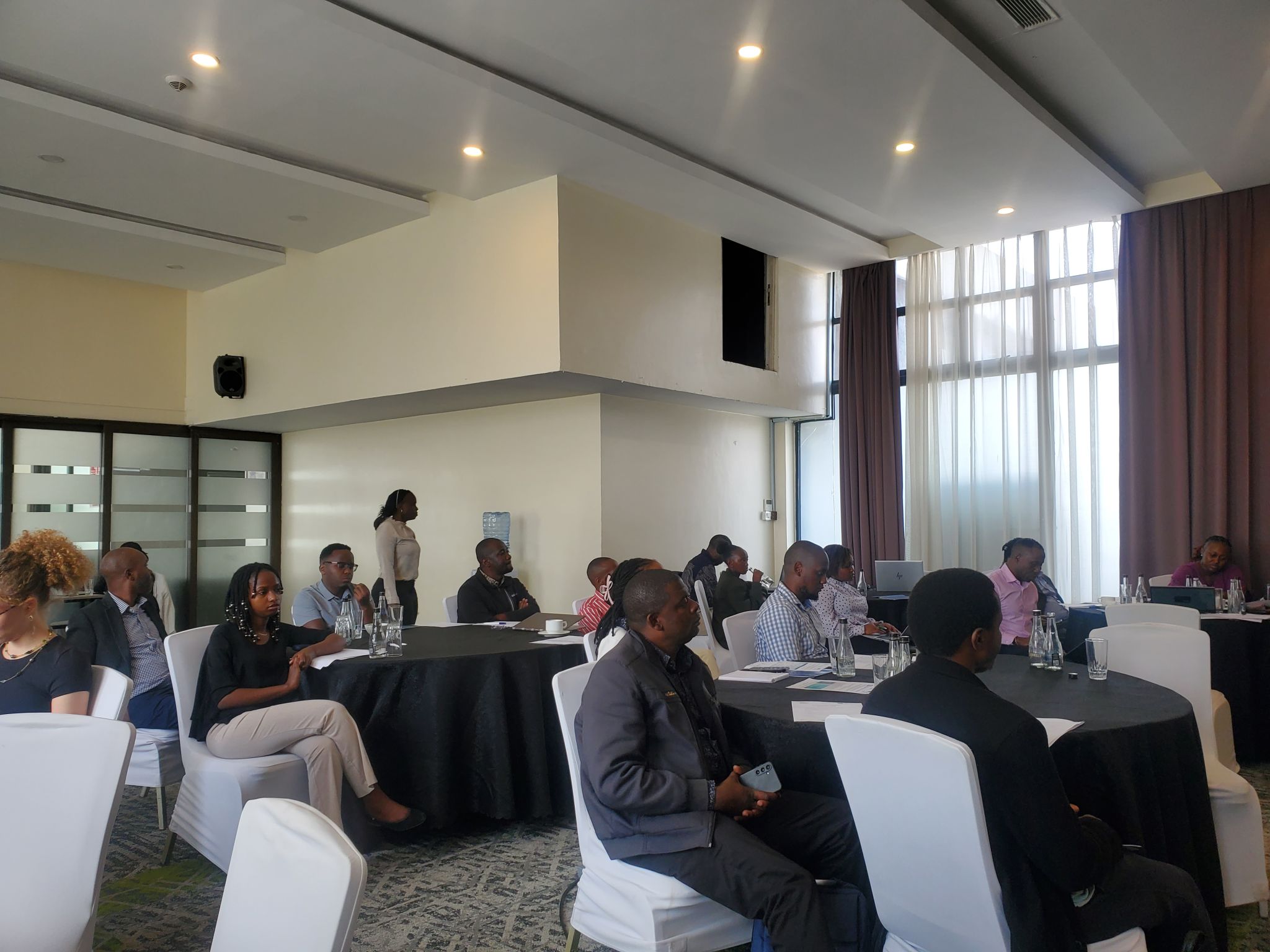
As part of the VocalizeIoT project, Waziup recently participated in a VET4HYDROGEN engagement, where stakeholders shared insights into developing workforce skills for Kenya’s emerging green hydrogen sector.
The discussions offered valuable lessons on how technical and vocational education can respond to evolving industry needs. Several approaches stood out, particularly the importance of industry-driven curriculum development. VET4HYDROGEN has reviewed and updated five TVET curricula to incorporate green hydrogen concepts, working closely with the TVET Curriculum Development, Assessment and Certification Council (TVET CDACC) to support curriculum development and validation.
The engagement also highlighted the role of labour market mapping in identifying technical and end-user job opportunities across the green hydrogen value chain. Other approaches include establishing Centres of Excellence to strengthen trainer capacity across institutions and selecting pilot TVET institutions based on regional industry relevance and institutional readiness.
These insights reinforced the importance of strong collaboration between education institutions, industry and government in preparing learners for emerging employment opportunities.
For Waziup, the exchange is particularly relevant to the mission of VocalizeIoT, which focuses on strengthening IoT capacity in TVET institutions across Kenya and Tanzania. Learning from complementary initiatives such as VET4HYDROGEN provides valuable perspectives on developing demand-driven training programmes and equipping learners with skills for the evolving digital and green economies.
Waziup appreciates the VET4HYDROGEN team for facilitating the engagement and looks forward to continued knowledge sharing and collaboration in advancing future-ready technical and vocational education.